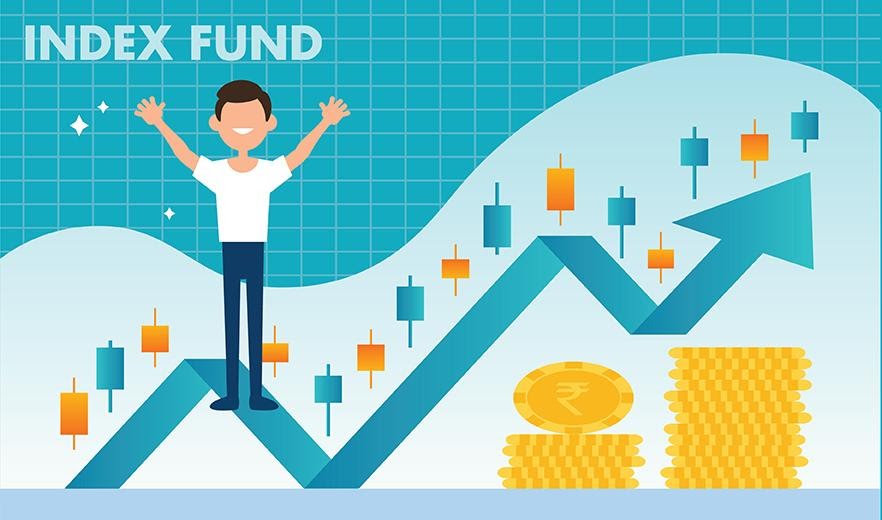
If people choose the simple investment vehicle of index funds, they can spend much more time on leisure activities like music, art, literature, and sports, which are far more intriguing than financial management. Additionally, most will end up earning more. – Merton Miller, Nobel Laureate in Economics
Here are the advantages of an index fund:
1. Even if you incur losses, they will only be as much as the decline in the index being tracked. The fees are extremely low. Designed to minimize costs associated with frequent trading, an aggressive investment strategy of active funds, or expanding fund management personnel, index funds aim to maximize investor profits. While the average fee ratio for US mutual funds is around 1.5%, the S&P 500 index fund charges only 0.19%, and the same applies in Korea. This fee difference translates into significant differences in returns over the long term. Empirical studies have shown that active funds fail to match the market average return, i.e., the overall stock index growth rate, in the long run.
2. During boom times, the correlation between the index and its constituent stocks is low, while during recessions, the correlation becomes extremely high. This means that during a bull market, while leading stocks may rise several times, most companies underperform the market. The worst-case scenario for individual investors is buying a specific stock that continually underperforms the market and then drops further during a bear market. Buying a specific stock risks being left out during a bull market, but purchasing an index fund ensures you are never left out during market rallies.
3. The entry barrier is low. An individual with some financial knowledge can create a portfolio of promising stocks according to their preferences. Individuals can trade anytime during market hours and can respond flexibly without redemption during sharp market fluctuations. However, without basic financial knowledge or the ability to monitor stock trends, individuals may be at a disadvantage compared to funds. Index tracking is feasible for the average person, but the management fees can be high. The National Pension Service’s fund management division tracks indices internally to save on index fund management fees. Of course, this is feasible because it is the National Pension Service. It is impossible for individuals to incorporate all of the over 2,000 listed companies in Korea into an index portfolio. The National Pension Service has the financial resources to bundle 800 stocks into one portfolio for index tracking. As of 2016, the National Pension Service includes 450 KOSPI and 350 KOSDAQ stocks in its portfolio.
 FinEducate
Leave a comment