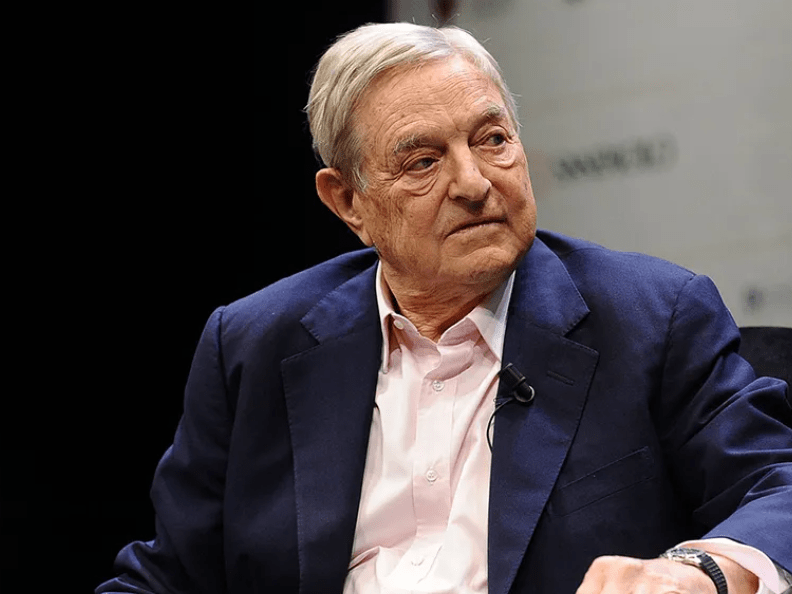
(Part 1 of the Series “George Soros: The Man, The Myth, and The Money”)
In the world of finance, few names elicit as strong reactions as George Soros. Whether praised as a financial genius or vilified as a shadowy puppet master, Soros has left an indelible mark on global finance and politics. This three-part blog series aims to unravel the enigma that is George Soros, tracing his journey from humble beginnings to becoming one of the world’s most influential investors.
Early Life and Education
George Soros was born György Schwartz in Budapest, Hungary, on August 12, 1930. Raised in a Jewish family during a turbulent period of history, his early years were marked by the rise of Nazism and World War II. Soros’ family, to protect their identity, changed their name to Soros in 1936. This decision would prove crucial in preserving his life during the Holocaust.
After the war, Soros moved to England to study at the London School of Economics, where he encountered the ideas of philosopher Karl Popper. Popper’s concept of the open society would later become a cornerstone of Soros’ philosophy, influencing his investment strategies and philanthropic endeavors.
The Quantum Fund and the Birth of the Hedge Fund
Part of Soros’s legendary status is attributed to his role in establishing the Quantum Fund in 1973. This was a pioneering move in the world of finance, as it marked one of the earliest hedge funds. Soros’ investment strategy, which combined global macroeconomic analysis and risk management, revolutionized the industry.
The Quantum Fund’s legendary success was cemented in 1992 when Soros made a billion-dollar profit by shorting the British pound. This historic event, known as “Black Wednesday,” earned Soros the nickname “The Man Who Broke the Bank of England.” This achievement also catapulted him into the ranks of the world’s richest individuals.
The Soros Philosophy: Reflexivity and the Open Society
One of the key elements that sets George Soros apart is his embrace of the concept of reflexivity, which he developed based on Karl Popper’s ideas. Reflexivity posits that participants’ perceptions can influence market dynamics and economic outcomes, creating feedback loops. Soros’ keen understanding of this concept helped him anticipate and capitalize on market trends.
Soros’ philanthropic efforts have also been deeply influenced by his belief in the open society. Through the Open Society Foundations, he has supported numerous initiatives promoting democracy, human rights, and social justice across the globe. These two facets of Soros – the investor and the philanthropist – are deeply intertwined and reflect his vision for a more open and equitable world.
In the next part of this series, we will explore the controversies and criticisms surrounding George Soros, as well as his impact on global finance and politics. Stay tuned to delve deeper into the life and legacy of this influential figure.
 FinEducate
Leave a comment